
Empowering Young Minds
Child Therapy Services
Comprehensive therapies for children with developmental challenges, enhancing their growth and learning.
Occupational Therapy
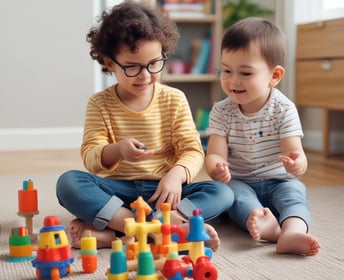
Helping children develop daily living skills and improve their sensory processing abilities.
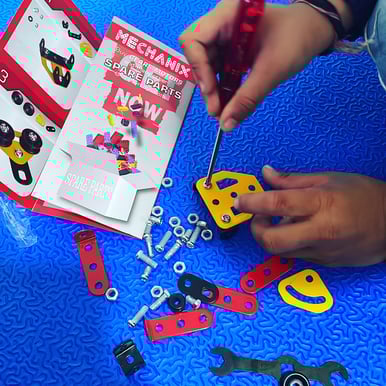
Occupational therapy plays a crucial role in enhancing various skills essential for daily living and overall well-being. Focused on improving gross motor skills, therapists engage individuals in activities that promote strength, coordination, and balance, enabling them to navigate their environment effectively. Additionally, fine motor skills are refined through tasks that involve intricate hand movements, such as grasping or manipulating objects, critical for self-care and functional independence. Cognitive skills, including memory and problem-solving, are also targeted, helping individuals to process information and make decisions. Furthermore, visual perception techniques are employed to enhance the ability to interpret visual information, aiding in tasks that require spatial awareness and depth perception. Together, these therapeutic approaches foster holistic development, empowering individuals to lead more fulfilling and independent lives.
Speech Therapy
Addressing communication challenges, enhancing speech clarity, and promoting effective language skills.
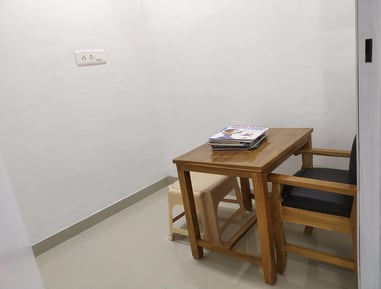
Speech therapy plays a crucial role in enhancing communication skills, particularly in children and individuals facing language challenges. Articulation is a fundamental aspect, focusing on the clarity of speech sounds, which is essential for effective verbal communication. Additionally, oral motor skills are targeted to improve the physical ability to produce sounds and words. Receptive skills, or the ability to understand language, are addressed to help individuals follow directions and comprehend spoken language better. Expressive skills, on the other hand, empower individuals to convey their thoughts and feelings verbally, fostering confidence in social interactions. Through targeted exercises and activities, speech therapy aims to create a comprehensive approach that supports both the production and understanding of language, ultimately enhancing communication efficacy and overall quality of life.
Special Education Support
In the evolving landscape of education, special education has embraced innovative methods to enhance learning experiences for students with diverse needs. One such approach gaining prominence is phonics, presented in a fresh and engaging manner. By integrating visual aids, interactive activities, and multi-sensory techniques, educators are transforming traditional phonics instruction into a stimulating learning journey. This new way of learning not only caters to different learning styles but also fosters a deeper understanding of language fundamentals. By focusing on phonemic awareness and integrating playful elements, students are more motivated and confident in their reading abilities. As educators continue to refine these strategies, the goal is to create an inclusive classroom environment where every child, regardless of their challenges, can thrive and develop essential literacy skills. Through these advancements, the future of special education looks increasingly bright and promising.
Tailored educational strategies to support children with unique learning needs and challenges.
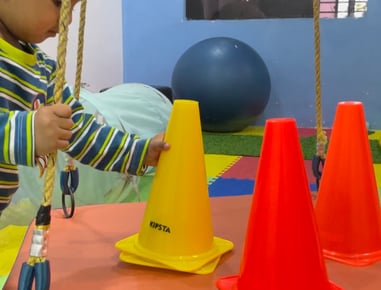
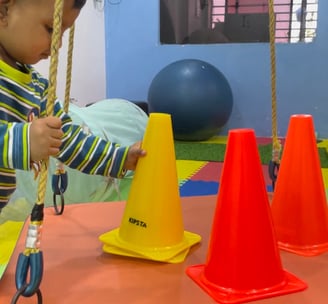
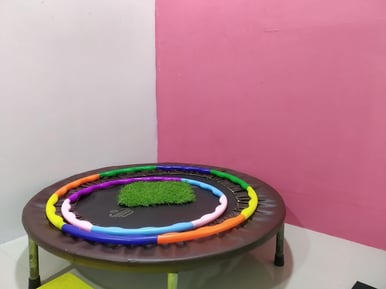
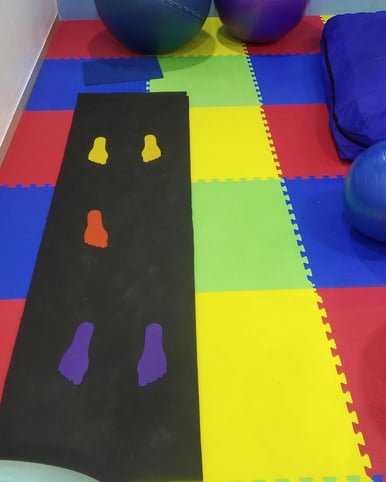
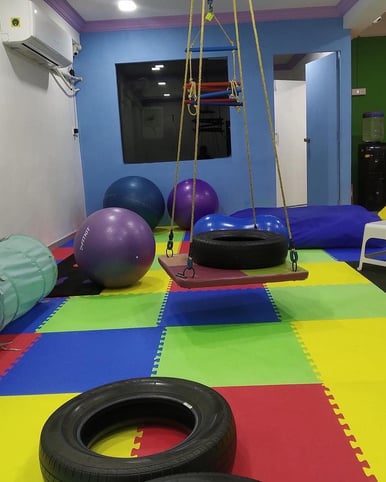
Sensory integration therapy for kids is a specialized approach designed to help children who experience difficulties processing sensory information. This type of therapy focuses on enhancing a child's ability to respond appropriately to sensory stimuli, such as sights, sounds, textures, and movements. Through various activities and exercises, therapists aim to improve children's sensory processing skills, enhance their motor skills, and boost their overall emotional well-being. By engaging in play-based activities, children learn to manage sensory challenges in a safe environment. This therapy can be particularly beneficial for children with sensory processing disorders, autism spectrum disorders, or other developmental delays, helping them achieve greater independence and improved social interactions. Ultimately, sensory integration therapy fosters a child's confidence and self-regulation, promoting a healthier and more balanced sensory experience in their daily lives.
Sensory integration therapy


ORAL PLACEMENT THERAPY
Hand writing skills
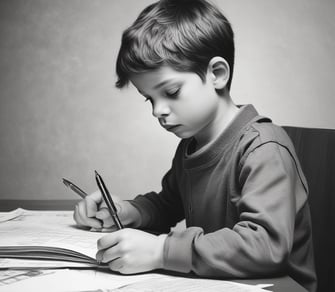
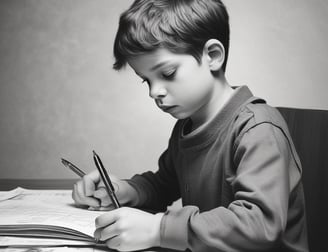
Handwriting skills are essential for effective communication, and the "Handwriting Without Tears" program is designed to make learning this art enjoyable and engaging for children. By employing a multisensory approach, the program encourages students to develop their fine motor skills while learning proper letter formation. Through playful activities and interactive materials, children gain confidence in their handwriting abilities. The curriculum emphasizes the significance of consistent practice in developing a fluid and legible script, allowing young learners to express their thoughts clearly on paper. As students progress, they not only refine their handwriting skills but also foster a love for writing that can last a lifetime. Ultimately, "Handwriting Without Tears" paves the way for students to achieve academic success by enhancing their written communication skills from an early age.
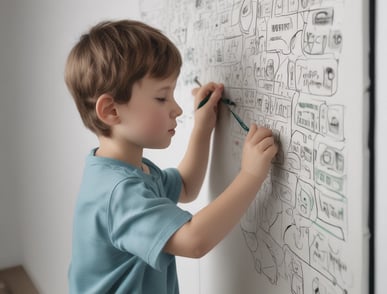
Oral placement therapy is an innovative approach designed to assist children with special needs in developing their oral motor skills. This therapy focuses on improving the child's ability to move their lips, tongue, and jaw effectively, which is crucial for successful speech and feeding. Through engaging activities and play-based methods, therapists work closely with each child to enhance their oral awareness and coordination. The therapy typically includes the use of various tools and exercises tailored to the individual needs of the child, fostering a supportive environment that encourages exploration and growth. By targeting these specific skills, oral placement therapy not only aids in communication but also promotes confidence and independence in daily routines, ultimately improving the overall quality of life for children with special needs.
APPLIED BEHAVIOURAL ANALYSIS(ABA)
VISUAL PERCEPTION SKILLS
Early intervention
The early intervention program for small babies with developmental delays is designed to provide crucial support and resources to infants and their families. By recognizing the signs of developmental delays as early as possible, this program offers tailored therapies and activities that promote cognitive, physical, and emotional growth. Families receive guidance from skilled professionals who work closely with them, providing strategies and tools to foster their baby's development in a nurturing environment. The program emphasizes the importance of parent involvement, encouraging caregivers to take an active role in their child's progress. Through a combination of individualized support and community resources, the early intervention program aims to enhance the lives of these young children, setting a strong foundation for future learning and development. Ultimately, this initiative strives to empower families and help their babies reach their fullest potential.
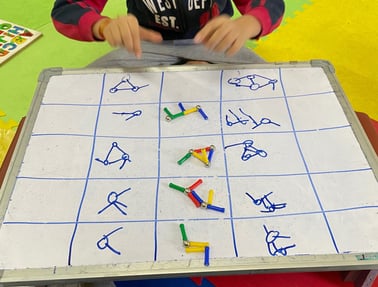
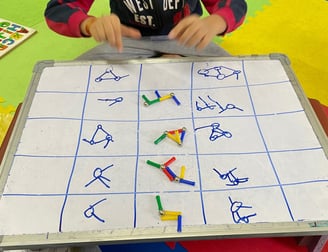
Visual perception skills are essential for a variety of everyday tasks, and their assessment can be effectively gauged using the Visual-Motor Integration (VMI) scale. This scale provides a comprehensive evaluation of how well an individual can perceive visual information and translate it into coordinated motor responses. By measuring aspects such as hand-eye coordination, spatial awareness, and visual-motor integration, the VMI scale helps identify strengths and weaknesses in a person’s visual processing abilities. These skills are crucial not only for academic success, particularly in tasks like writing and drawing, but also for daily activities requiring visual-motor coordination. Educators and clinicians often utilize this scale to develop targeted interventions that can enhance a learner's visual perception skills, ultimately improving their overall performance in both academic and social situations.
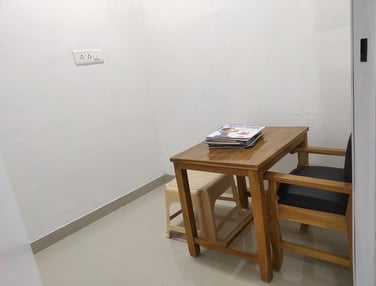
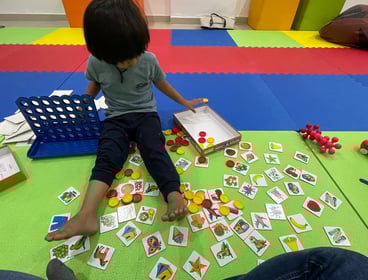
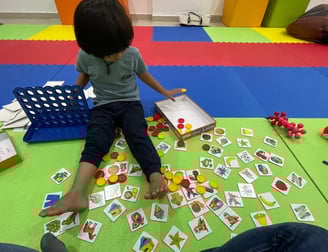
Applied Behavior Analysis (ABA) is a scientific approach to understanding and improving behavior through the principles of behaviorism. It emphasizes the use of systematic interventions based on empirical data to promote positive changes in various environments, including homes, schools, and workplaces. ABA techniques are often employed to support individuals with autism spectrum disorder and other developmental challenges, helping them learn new skills and reduce maladaptive behaviors. By breaking down complex tasks into manageable steps and using reinforcement strategies, practitioners can effectively teach communication, social skills, and daily living skills. The versatility of ABA allows it to be customized to the unique needs of each individual, making it a valuable tool in therapeutic and educational settings. Its evidence-based practices ensure that interventions are both effective and measurable, leading to meaningful improvements in quality of life.

Client Feedback
Hear from our satisfied families about their experiences with us.
Hexagon Child Development Center has transformed my child's life positively. Highly recommend!
The therapies provided here have made a significant difference in my child's development and confidence. We are grateful for the dedicated staff and their support.